
For plants that replace RO membranes
What would your next change-out cost with regenerated elements?
Enter 2 numbers from your last change-out. You'll see your saving, and the plastic and CO₂e figures you can put in your sustainability report.
Your result appears on the next page and in your inbox. No calls unless you ask for one. Privacy notice.
120 elements a year at USD 600 each is USD 72,000 a year on new elements.
Plus the Line Sheet: our 3 grades, where they fit, and how a 1-chamber trial works.
Your membrane budget, before the next purchase order.
- A number for your budgetWhat the same change-out costs with regenerated elements, worked out from what you pay today.
- Figures for your report15 kg of plastic kept out of the ground for every element, and up to 1 tonne of CO₂e avoided.
- Where it fits, and where it doesn'tOur elements are for non-potable duty: wastewater, reuse, industrial process water, brackish water. For drinking water, buy new.
- A way to prove it on your own plant1 pressure chamber, 2 to 8 elements, water in and water out agreed in writing up front, and both sides measure.
4 things we'd rather tell you now than after installation.
What it doesn't do
It doesn't hit its datasheet the moment you install it.
A regenerated element reaches its datasheet performance after some hours of operation. A new one gets there faster. We say so before anything ships, so there are no surprises on start-up day.
What it isn't
It isn't as good as new, and we won't say it is.
Our elements deliver 85 to 90% of the rejection and flow of a new element. They cost 30 to 50% less. For duty that doesn't need the last few percent, that trade wins on cost per m³. For duty that does, we'll tell you to buy new.
Where we stand
Cleaning sells you the leftovers. Regeneration adds life back.
Anyone can rinse a used element and put a new carton around it. A supplier who won't tell you which one they do has already told you.
Where we stand
We turn membranes down.
Every element goes through 6 checks when it arrives. What fails becomes refuse-derived fuel. It never goes into a box with our name on it.
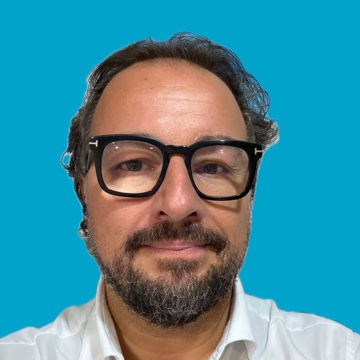
Enrico Zanchi
Technical Director, Second Life RO
Chemical engineer. He developed our regeneration process and set the intake checks that decide which elements we won't work on.
2 numbers. 1 minute. Your saving.
Run it now, before the next purchase order goes out.