News · 11 September 2026
Every element standing on this floor cost us money.
We turned all of them down anyway.
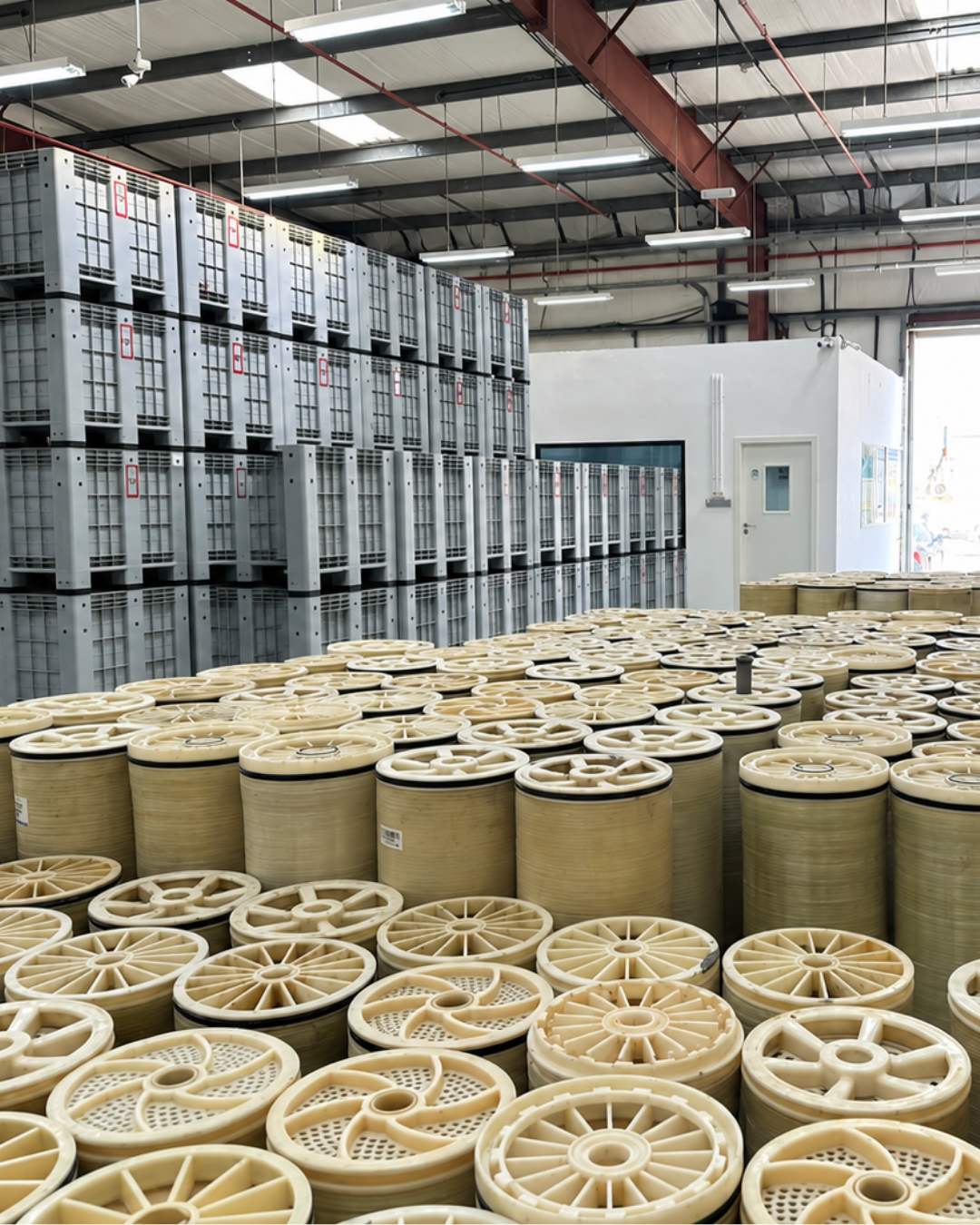
The ones stacked in the crates behind passed the checks.
The ones standing loose didn't.
We pay first-life plants for their spent elements.
So a rejected element is cash out with nothing to sell at the end of it.
We reject them anyway, and that floor is the reason you can trust the ones we ship.
Look at them. Almost none of them look broken.
Appearance is what fools people here.
A shell can be perfect and the element still be dead inside.
Some arrive with the fibreglass cracked or the shell crushed.
Some are telescoped, where the layers inside have pushed out of line.
Some weigh far more than they should, which tells us they were run long past the point of saving.
The rest look just like the ones we ship.
So the physical checks are only the first gate.
They go on test, and the numbers decide, not our opinion.
The ones that pass get sorted into 3 grades, so the element you buy matches the duty you run it on.
Here's where the rejects go.
Not to landfill. Into our Zero Waste to Energy project, and out as fuel for heavy industry.
Every element we take in keeps about 15 kg of plastic out of the ground, whether we can save it or not.
We'd rather turn down a good-looking element than let a bad one reach your plant.
That's an expensive habit, and it's the only way the warranty means anything.
Follow along. We're documenting the whole line, including the parts that don't flatter us.
First posted on our LinkedIn page.