Our process
Our process isthe difference.
Cleaning removes fouling. Our regeneration changes membrane performance. We developed it over more than 5 years with third-party labs, it runs in our own 2ndLifeRevive plant, and how it works stays there.
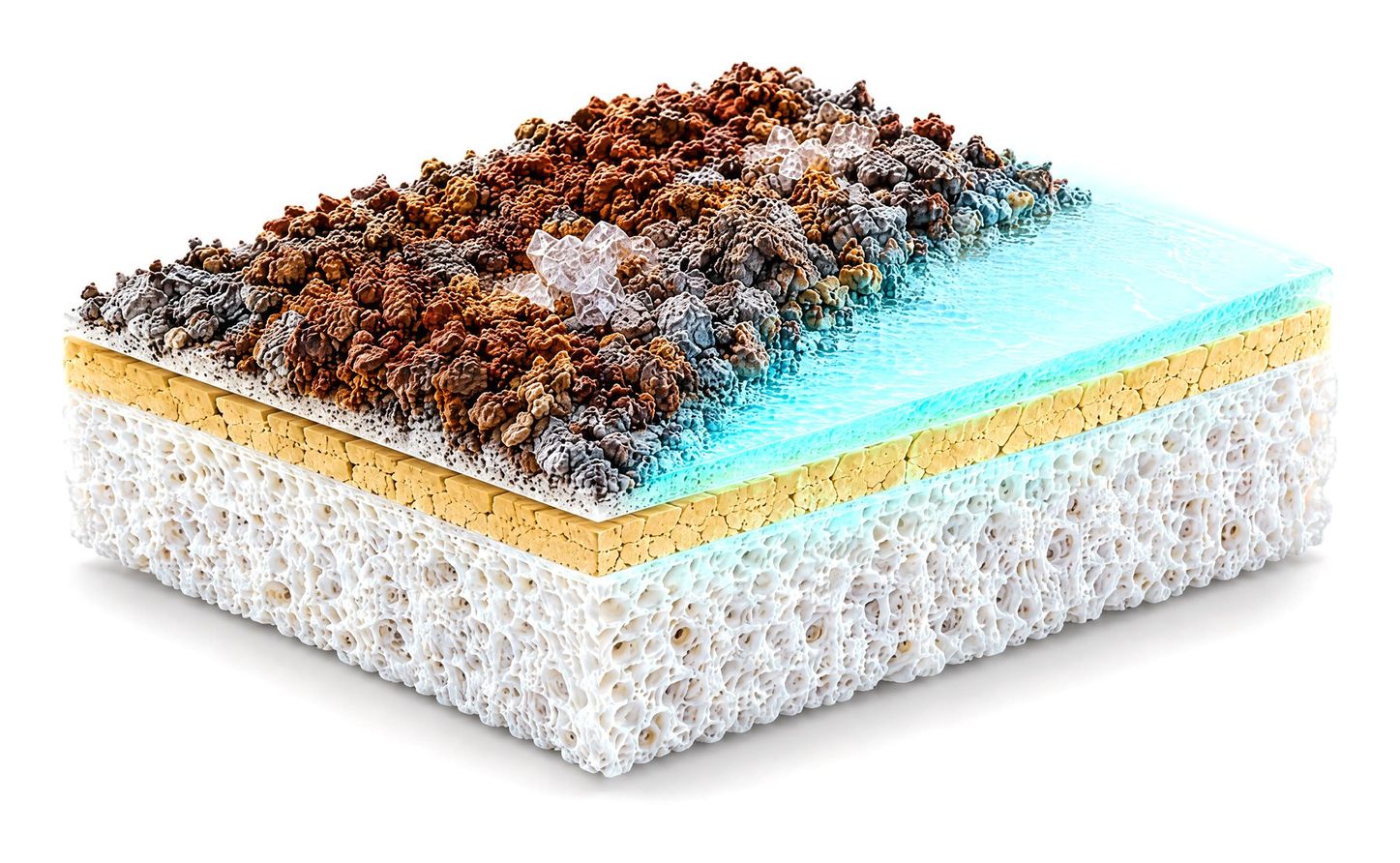
Cleaning removes fouling.Regeneration changes membrane performance.
A different job, in 3 steps.
- 1
Cleaning (CIP), left
Takes the fouling and scale off. Plants run CIPs as routine maintenance. What comes out is the same spent element, only cleaner.
- 2
Our regeneration, right
A controlled, stable transformation of the membrane surface, with defined performance characteristics. Our own process trades some of a seawater element's very high rejection for flow and leaves it with new, stable characteristics. That's how we make our 3 grades on purpose. What leaves our plant is a regenerated product with defined performance: its own grade and test figures.
3 steps from a spent elementto a regenerated product.
1 · Identify
We identify which elements can be regenerated
Every spent element gets 6 checks by hand at intake. The ones that can't take a second life stop there and go to our Zero Waste to Energy project.
2 · Transform · our own process
We transform the membrane
Our own regeneration process runs a controlled, stable transformation of the membrane surface. That's how we make High Flow, High Rejection and Super High Rejection on purpose, from the same spent seawater element.
3 · Validate
We validate every element on its own
Each element goes on our test bay and is tested to ISO 20466:2024, the standard for regenerated membranes. Its own flow and rejection decide its grade, and they ship with it. A new brine seal goes on and checks 1 to 5 run again before it's packed.
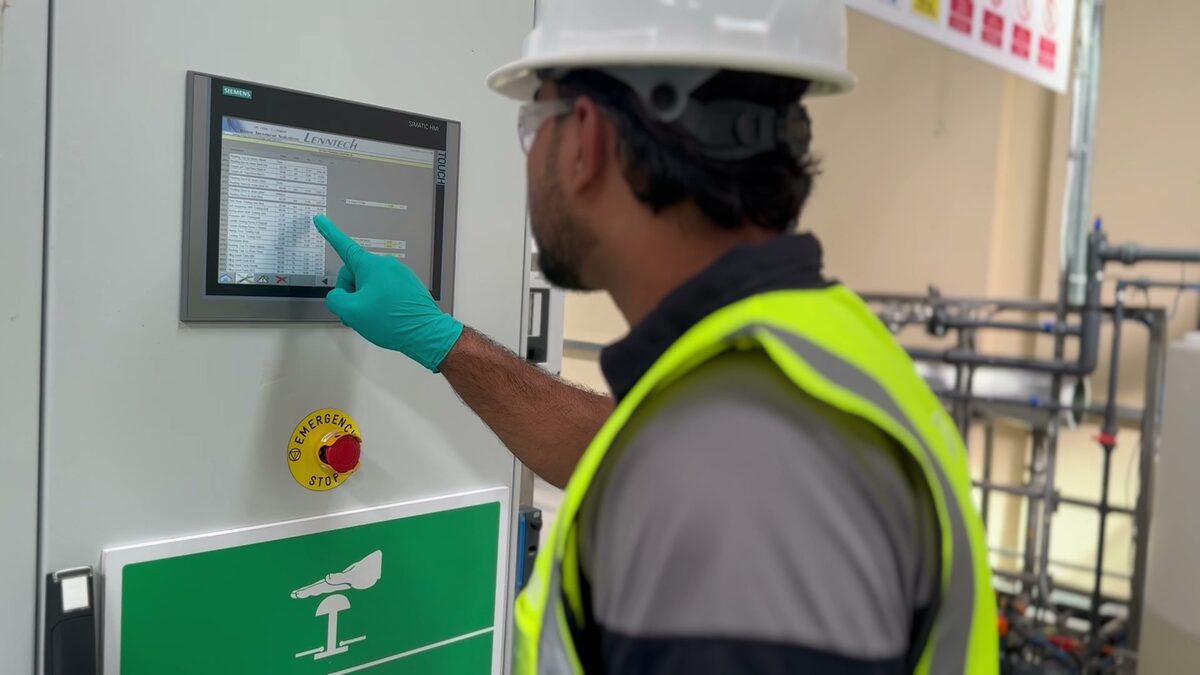
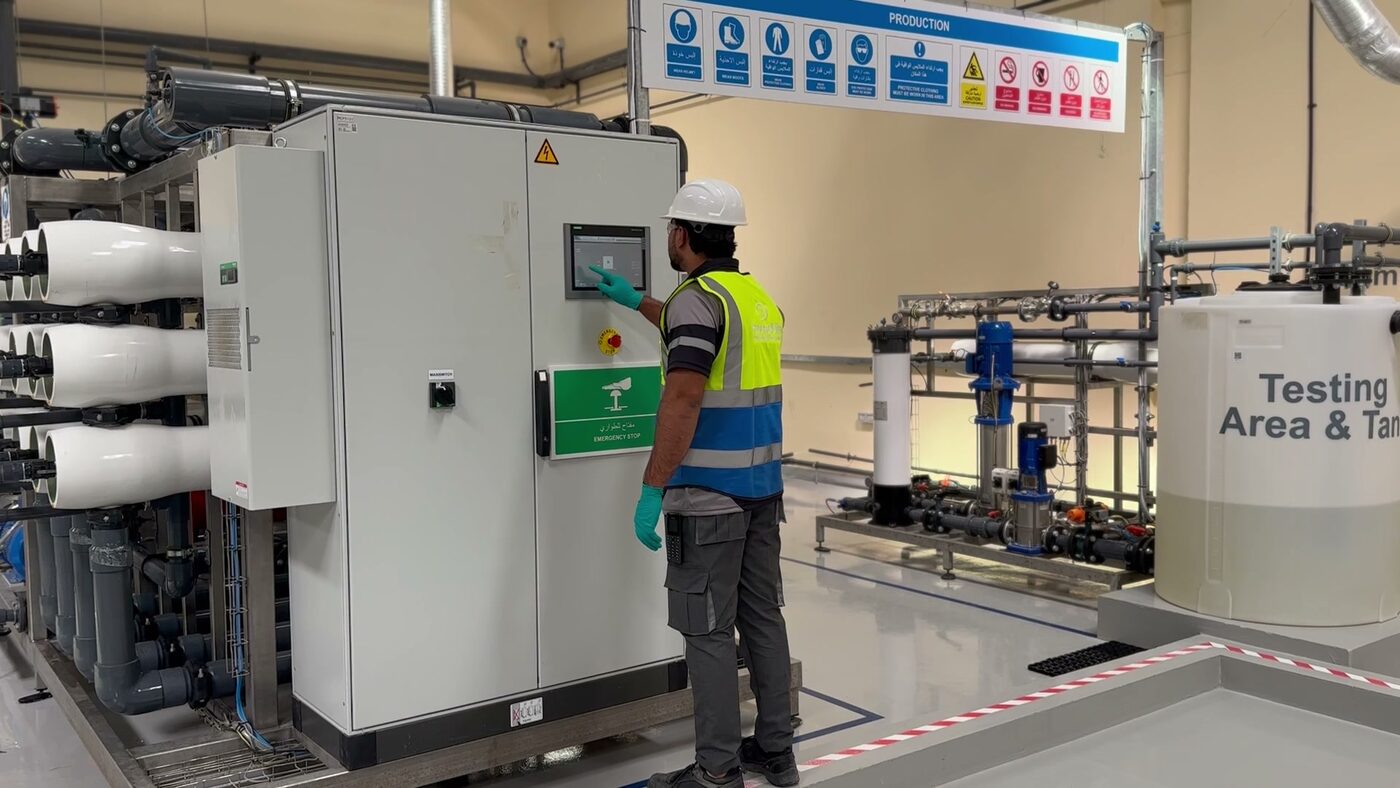
Our plant
2ndLifeRevive RO Regeneration Plant.
Custom-engineered in Ras Al Khaimah to run our process at scale.
- Automated lines for cleaning, regeneration and testing
- Chemical treatment tailored to each batch and its fouling
- Quality control points at every stage, with live data logging
- A test bay with a high and low pressure RO test skid
- Up to 80% of process water recovered and reused
Every spent element gets a route
Nothing we take in goes to landfill.
1 · In use
A seawater element runs 3 to 5 years
in a desalination plant, then comes out at change-out.
Landfill The usual end. Not with us.
2 · It comes to us
Collected and checked at intake
6 checks by hand decide which route it takes.

3 · Passes our checks
Regenerated, tested and supplied for non-potable reuse. The plant earns a reward for every qualifying element.

3 · Fails our checks
Converted to refuse-derived fuel for heavy industry.
This is what a fail looks like.
6 checks stand between a spent element and our line: end caps, feed spacers, permeate carrier, telescoping, the fibreglass shell and the hand test. Fail any of them and the element is never regenerated. It goes to the reject stream instead.
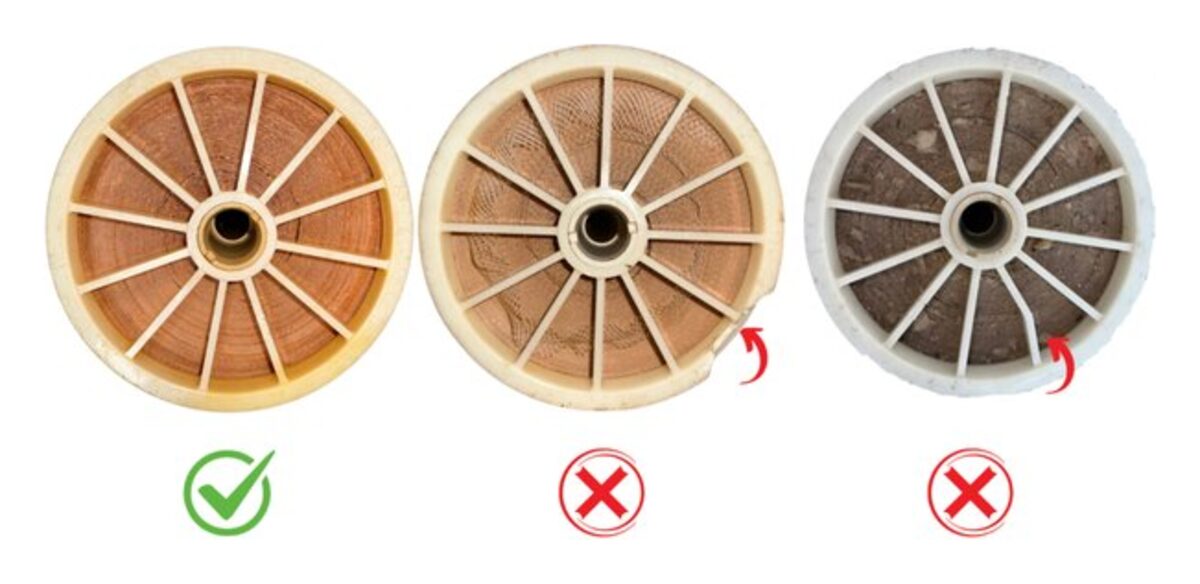
Pass on the left, the 2 rejects beside it, marked where the fault is. That's check 1 of 6.
See all 6 checks.
Our Quality and Testing sheet shows every intake check with a pass and 2 fails, the performance test on our own test bay, and what ships with every element. Tell us who you are and the download starts here. We use your details to follow up on your enquiry, nothing else. See our privacy notice.
Thanks. Here you go.
The link works for 30 minutes.
Built for the hardest water.
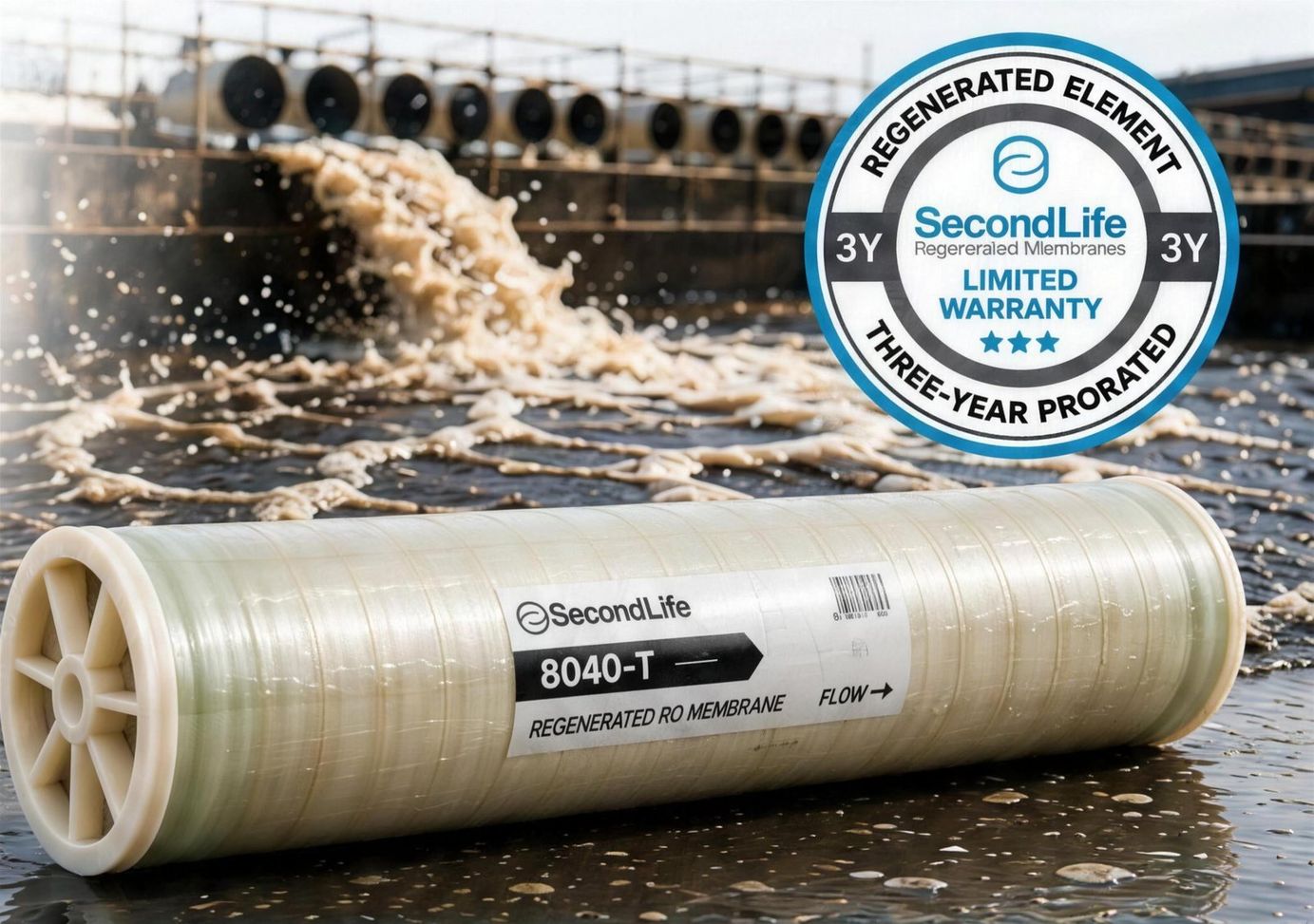
Case 1
Brackish RO plant, Saudi Arabia
Pre-treatment had collapsed and the plant had lost almost half its output. We led the first stage with regenerated elements and kept the plant producing through the work.
| Plant flow | 123 to 210 m³/h |
| Recovery | 62 to 70% |
| Permeate TDS, before | >214 ppm |
| Permeate TDS, after | 167 to 180 ppm |
Stage 1 rejection back to about 96% on design, differential pressure stable at 0.8 bar, at 30 to 50% less than new. Stage 2 still runs the plant's older elements, which is why permeate sits at 167 to 180 ppm.
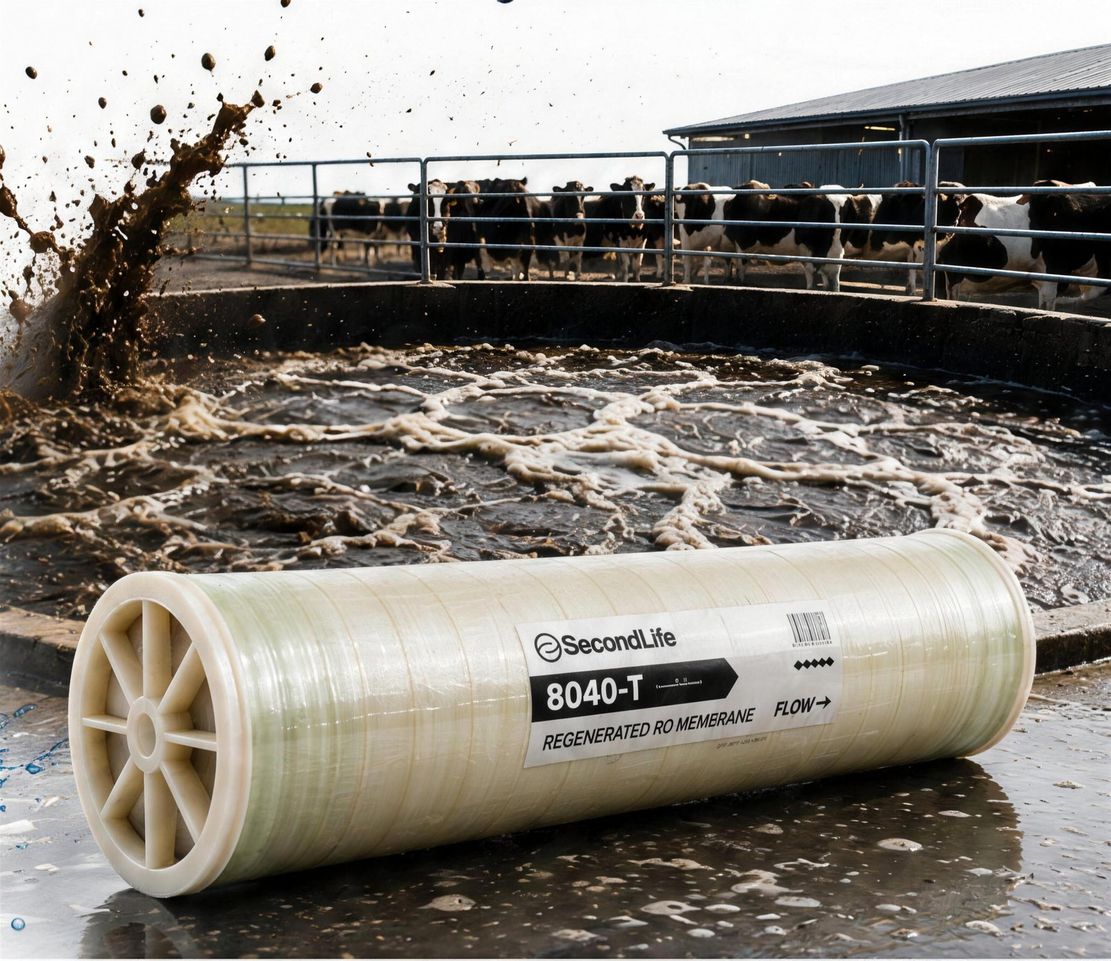
Case 2
Manure treatment, the Netherlands
Manure is about the most aggressive feed a membrane can face. It's loaded with organics and solids, and it fouls elements in weeks. The plant bought a €400,000 system that turned out to be wrong for its water. Sets of elements planned for 12 to 16 weeks came out after 6 to 7, and at new-element prices the business was close to shutting. It moved to our regenerated elements. They come out on about the same 6 to 7 week cycle as new ones did, and every change costs 50% less.
They held.
Morgan Meinecke
Scared to sell our membranes.
A distributor had his biggest customer and his own name on the deal. We started with 1 pressure chamber, on terms that fit his risk. Then a full rack, then the whole plant. Today he runs the whole account on our elements.
Talk to us
Tell us about your water.
Tell us the water and the duty. We'll tell you honestly whether a regenerated element fits, and which grade.
Received.
We reply from Ras Al Khaimah, GMT+4, usually the same working day.